Payment Gateway API Integration Guid
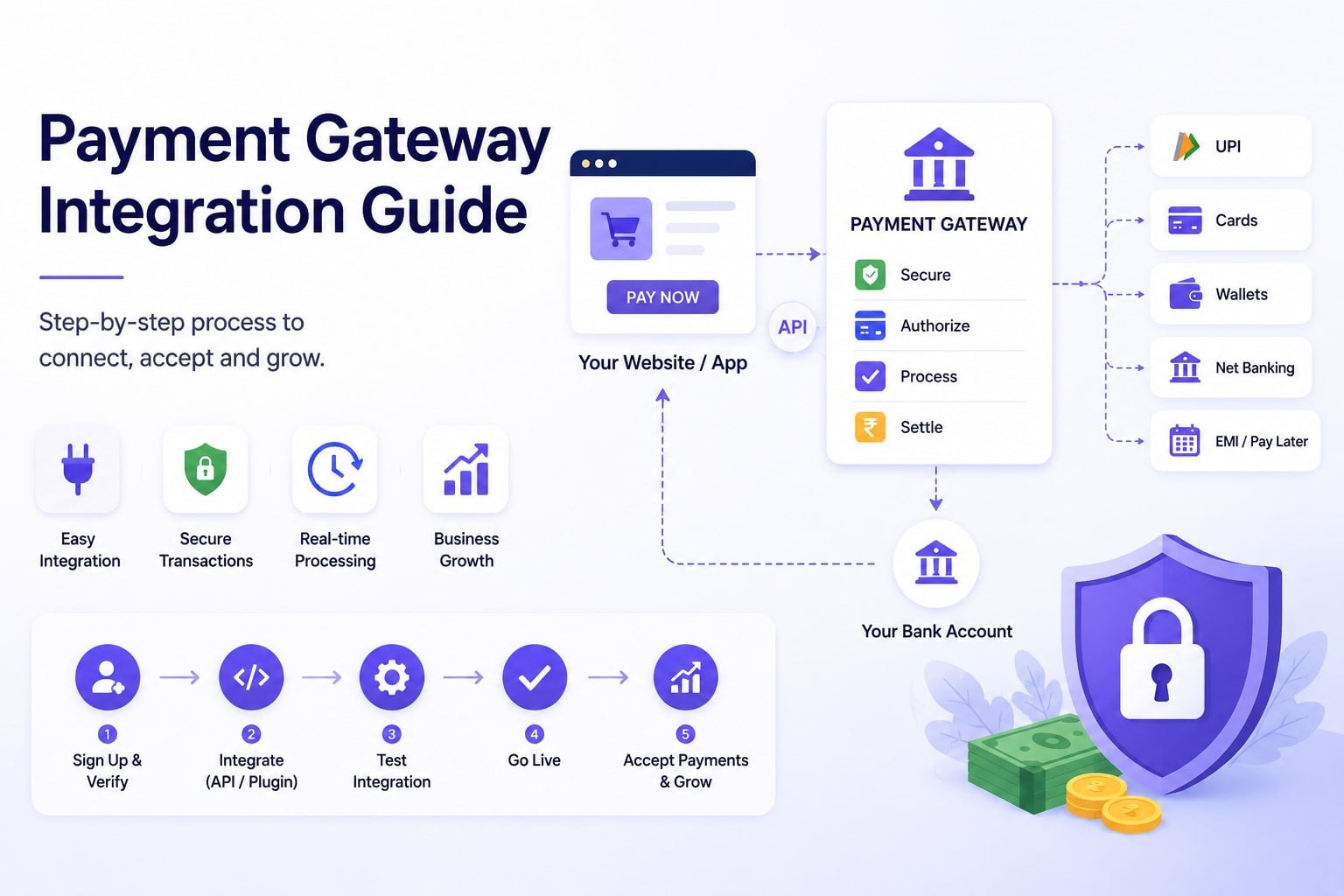
Payment Gateway API Integration GuideAs online shopping, subscription services, and digital payments continue to grow, businesses need secure, fast, and reliable ways to accept online payments. Customers expect a seamless checkout experience, whether they're purchasing products, booking services, or paying invoices. A slow or complicated payment process can lead to abandoned carts, lost revenue, and reduced customer trust.
Whether you're launching an eCommerce store, developing a SaaS platform, or modernizing an existing application, understanding payment gateway API integration is crucial for delivering secure and efficient payment experiences.
In this guide, we'll explain how payment gateway APIs work, their benefits, implementation steps, security best practices, common challenges, and how professional integration services can help your business.
What Is a Payment Gateway API?
A payment gateway API is a software interface that enables applications to communicate with payment processors and financial institutions to authorize, process, and manage online transactions.
It acts as a secure bridge between:
- Customers
- Merchant websites or mobile apps
- Payment processors
- Banks
- Credit card networks
When a customer submits payment details, the API securely encrypts and transmits the information for authorization. Within seconds, the payment is either approved or declined, and the application receives the response in real time.
Modern payment gateway APIs also support additional features such as recurring billing, refunds, payment status tracking, fraud detection, and subscription management.
Build Secure Payment Solutions with API Integration Services
As businesses increasingly rely on digital payments, they need secure and reliable integrations that connect payment gateways with their websites, mobile apps, and business systems. Our API Integration Services help businesses implement REST APIs, integrate third-party payment providers, automate real-time transaction processing, and ensure secure data exchange for seamless payment experiences.
How Payment Gateway API Integration Works
Although the payment process happens within a few seconds, several steps occur behind the scenes.
Step 1: Customer Initiates Payment
The customer selects products or services and proceeds to checkout.
Step 2: Payment Details Are Submitted Securely
The payment gateway securely captures payment information through encrypted communication.
Step 3: API Sends Transaction Request
The API forwards the encrypted payment request to the payment processor or acquiring bank.
Step 4: Bank Authorization
The issuing bank verifies:
- Card validity
- Available funds
- Fraud indicators
- Authentication requirements
Step 5: Payment Response
The authorization result is returned to the application.
Possible responses include:
- Approved
- Declined
- Pending
- Authentication required
Step 6: Order Confirmation
If payment succeeds:
- The order is confirmed.
- Inventory updates automatically.
- Customers receive confirmation emails or notifications.
- Business systems record the transaction.
The complete process usually takes only a few seconds.
Benefits of Payment Gateway API Integration
1. Secure Online Payments
Security is the primary reason businesses integrate payment gateways.
Modern APIs provide:
- Data encryption
- Secure tokenization
- Fraud detection
- Authentication protocols
- PCI DSS compliance support
These measures help protect sensitive customer information throughout the payment process.
2. Faster Checkout Experience
Customers appreciate quick and simple payment experiences.
API integration enables:
- One-click payments
- Saved payment methods
- Digital wallets
- Instant payment confirmation
- Reduced checkout steps
A smoother checkout process can improve customer satisfaction and reduce cart abandonment.
3. Multiple Payment Options
Modern businesses serve customers with diverse payment preferences.
Payment gateway APIs commonly support:
- Credit cards
- Debit cards
- Net banking
- UPI
- Mobile wallets
- Buy Now, Pay Later (BNPL)
- International payment methods
Offering multiple payment choices can increase conversion rates.
4. Automated Payment Processing
API integration reduces manual work by automating:
- Payment confirmations
- Invoice generation
- Subscription renewals
- Refund processing
- Payment notifications
- Transaction reconciliation
Automation improves operational efficiency while reducing errors.
5. Real-Time Transaction Tracking
Businesses can monitor payment activity instantly.
Real-time tracking provides visibility into:
- Successful payments
- Failed transactions
- Pending payments
- Refund status
- Settlement reports
This helps finance teams maintain accurate records and respond quickly to payment-related issues.
Security Best Practices
Protecting customer payment information should always be a top priority.
Recommended security measures include:
- HTTPS encryption
- Secure API authentication
- Tokenization
- PCI DSS compliance
- Multi-factor authentication
- Fraud monitoring
- Access control policies
- Regular security audits
Following these practices helps reduce the risk of data breaches and fraudulent transactions.
Develop Reliable Payment Infrastructure with Payment Gateway Development Services
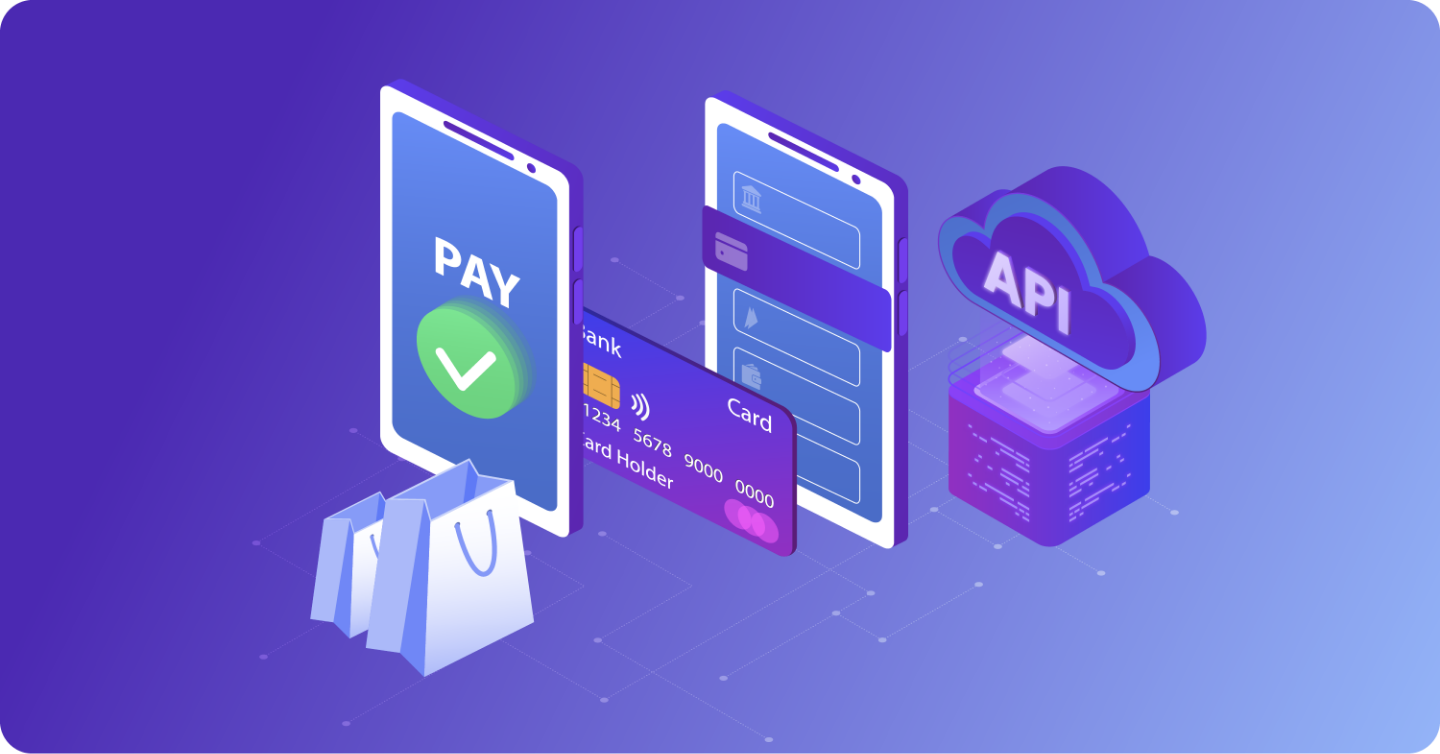
As businesses expand their online payment capabilities, they need scalable payment solutions that support secure transactions and multiple payment methods. Our Payment Gateway Development Services help businesses build custom payment gateways, integrate UPI, cards, wallets, and international payment providers while ensuring PCI DSS compliance, fraud prevention, and high-performance payment processing.
Common Payment Gateway API Features
Most payment gateway APIs offer much more than payment processing.
Common capabilities include:
- Payment authorization
- Payment capture
- Refund management
- Subscription billing
- Recurring payments
- Transaction history
- Webhooks for payment events
- Settlement reports
- Currency conversion
- Fraud detection tools
Choosing a gateway with these features can simplify financial operations and improve customer experiences.
Challenges During Integration
Although payment gateway APIs are designed for developers, implementation may involve several challenges.
API Compatibility
Existing systems may require customization to integrate smoothly with payment APIs.
Error Handling
Businesses should implement robust error handling for failed or interrupted transactions.
Regulatory Compliance
Payment processing involves industry standards and regional regulations that businesses must follow.
Testing Requirements
Comprehensive testing ensures that payments function correctly before deployment.
Performance Optimization
Slow payment responses can negatively affect customer satisfaction, making performance optimization essential.
Choosing the Right Payment Gateway
Selecting the right payment gateway depends on your business requirements.
Consider factors such as:
- Security standards
- Supported payment methods
- Transaction fees
- International payment support
- API documentation quality
- Scalability
- Customer support
- Settlement timelines
- Reporting capabilities
- Integration flexibility
A gateway that aligns with your current and future needs will provide greater long-term value.
Best Practices for Payment Gateway API Integration
To ensure a successful implementation:
- Choose a trusted payment provider.
- Use sandbox environments for testing.
- Implement secure authentication methods.
- Validate all payment responses.
- Log API requests for troubleshooting.
- Monitor API performance continuously.
- Keep API versions updated.
- Provide clear payment status messages to users.
- Plan for future payment methods and scalability.
Following these best practices minimizes integration issues and improves reliability.
How Professional Payment Gateway Integration Services Can Help
Payment gateway integration requires expertise in APIs, security, backend development, and financial workflows. Working with experienced developers helps businesses implement reliable payment systems while minimizing technical risks.
Professional integration services can assist with:
- Payment gateway API implementation
- Custom checkout development
- UPI and digital wallet integration
- Subscription and recurring billing setup
- Multi-currency payment support
- Secure API authentication
- PCI DSS implementation guidance
- Payment workflow automation
- Testing and deployment
- Ongoing maintenance and monitoring
Businesses that also require broader digital solutions can combine Payment Gateway API Integration, Custom Software Development, and API Integration Services to build scalable platforms that support growth and deliver exceptional customer experiences.
Conclusion
Payment Gateway API Integration is an essential component of modern digital businesses. It enables organizations to accept secure online payments, automate financial processes, improve customer experiences, and support multiple payment methods through reliable API connections.
Whether you're operating an eCommerce store, subscription platform, mobile application, or enterprise solution, implementing a secure and scalable payment gateway can improve operational efficiency and increase customer confidence. By following best practices, prioritizing security, and partnering with experienced integration specialists, businesses can create seamless payment experiences that support long-term success in an increasingly digital economy.
Frequently Asked Questions (FAQs)
1. What is a Payment Gateway API?
A Payment Gateway API allows websites, mobile apps, and software applications to securely communicate with payment processors to authorize and process online transactions.
2. Why is payment gateway API integration important?
It enables secure online payments, automates transaction processing, supports multiple payment methods, and improves the overall customer checkout experience.
3. Which payment methods can a payment gateway API support?
Most payment gateway APIs support credit cards, debit cards, UPI, mobile wallets, net banking, recurring payments, and international payment options.
4. Is payment gateway API integration secure?
Yes. When implemented correctly using HTTPS, tokenization, secure authentication, and PCI DSS best practices, payment gateway APIs provide a highly secure payment environment.
5. How long does payment gateway integration take?
The timeline depends on the complexity of the application, selected payment provider, testing requirements, and any custom business workflows. Simple integrations may take a few days, while enterprise implementations can take several weeks.